
About this course
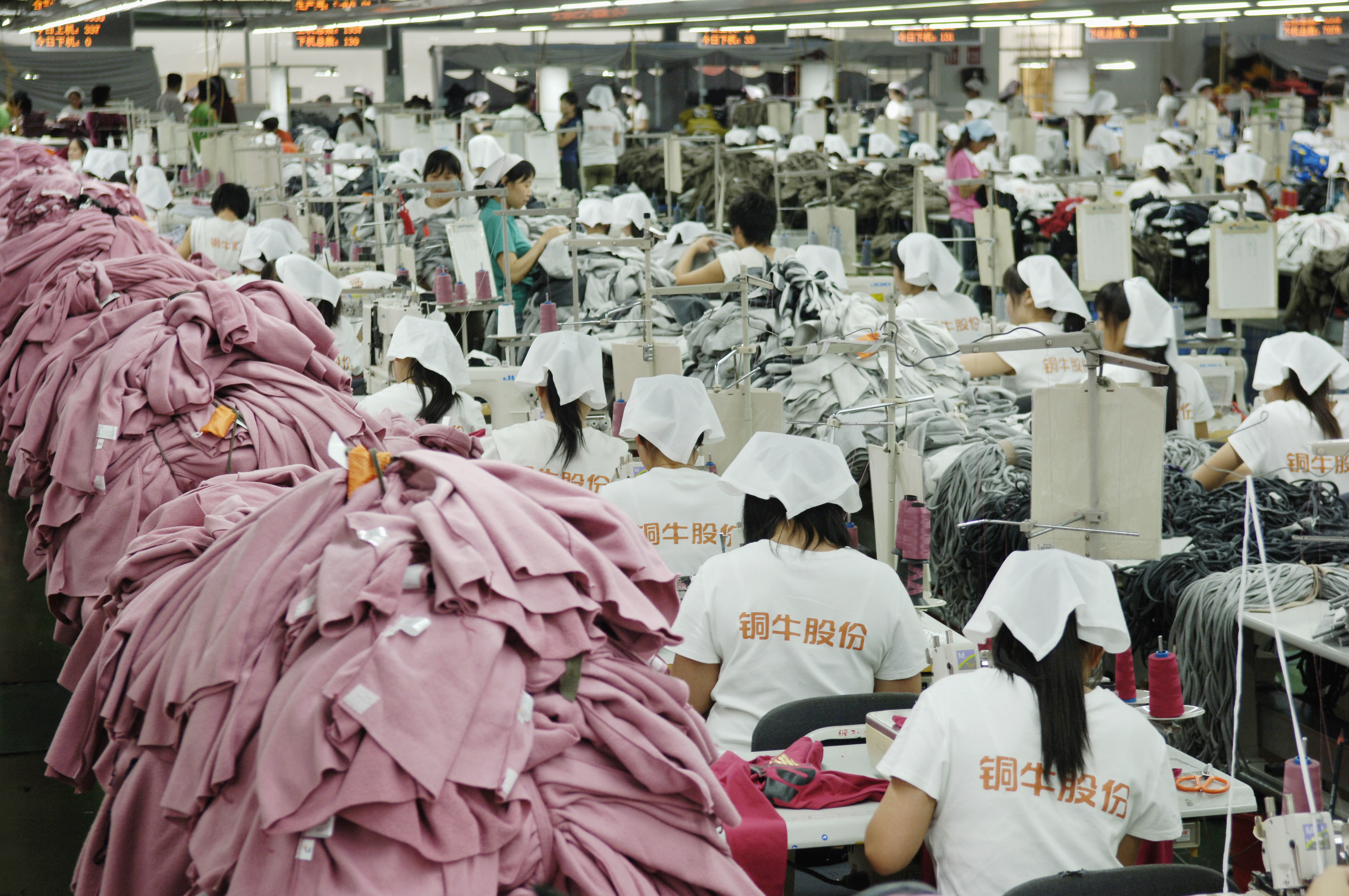
This course discusses the particularities and strategies of transnational corporations as actors orchestrating global supply chains, as well as their impact on labour relations worldwide. It looks at regulatory frameworks for trade, investment and taxation, and explores whether global supply chains contribute to development. After presenting the major decent work gaps in today’s global supply chains, the course will look at the existing governance framework and its gaps. What are the governance gaps and what are strategies and tools for an alternative governance structure that promotes sustainable development and decent work in global supply chains?
This course was first launched in 2016.
Key concepts
global supply chains, development, trade, investment, taxation, multinationals, governance framework, decent work deficits, Human Rights Mandatory Due Diligence, worker rights, labour strategies, decent work
Course structure
Chapter I: Introduction to the Course
Chapter II: Introduction to global supply chains
Chapter III: The Regulatory Framework on Trade, Investment and Taxation
Chapter IV: Global Supply Chains and Development
Chapter V: Decent Work Gaps in Global Supply Chains
Chapter VI: Key Elements of the Existing Governance Framework
Chapter VII: Negotiated Governance - Strategies on the Company and Industry level
Chapter VIII: Regulating Global Supply Chains - Strategies on the Political and Legal Level
Chapter IX: Campaigning to Win: Strategies and Tools
Course materials and workload
This course has 8 content chapters. The chapter contains a series of units; each unit is composed of one video lecture, two quiz questions, a reflection question, a key reading, as well as additional reading materials. All these can be downloaded and used offline.
The estimated workload for each chapter, including key readings, is around 5-6 hours.
Course contributors
Beate Andrees, Chief, Fundamental Principles and Rights at Work Branch, ILO
Prof. Dr. Mark Anner, Associate Professor of Labor and Employment Relations, and Political Science, Penn State University, USA
Victor Baez, General-Secretary, Trade Union Confederation of the Americas
Daniel Bertossa, Director Policy and Governance, Public Services International
Jane Barrett, Director, Organization and Representation Department, WIEGO
Dr. Kate Bronfenbrenner, Director of Labor Education Research, Cornell University's School of Industrial and Labor Relations
Sharan Burrow, Secretary-General, ITUC
Esther Busser, Geneva Office of the International Trade Union Confederation
Eddie Cottle, Project Leader, Labour Research Service, South Africa
Dr. Michael Fichter, Senior Lecturer, Global Labour University, Germany
Cherrisse Fredricks, Communications Officer, IndustriALL
Tandiwe Gross, Associate Fellow, Global Labour University
Dr. Frank Hoffer, Executive Director, ACT Foundation
Jenny Holdcroft, Assistant General Secretary, IndustriALL Global Union
Adam Lee, IndustriALL
Prof. Dr. Praveen Jha, Professor for Economics, Jawaharlal Nehru University, India
Claudia Meyer, Director of DGB Bildungswerk, Germany
Hilma Mote, ACTRAV, ILO
Sandra van Niekerk, Researcher at Public Services International’s research unit, South Africa
Ron Oswald, General Secretary, International Union of Food, Agricultural, Hotel, Restaurant, Catering, Tobacco and Allied Workers' Associations
Prof. Dr. Christoph Scherrer, Professor for Globalization and Politics, Social Science Department of the University of Kassel, Germany
Victor Hugo Ricco, Senior Specialist, Bureau for Workers’ Activities, ILO
Guy Ryder, Director-General, ILO
Prof. Dr. Reingard Zimmer, Professor for Labour Law at Berlin School of Economics and Law, Germany
User Admin
Online Tutor